Image: Wikipedia / Wikimedia Commons
Image: Wikipedia / Wikimedia Commons
Seoul stands as one of Asia's most compelling cities, where centuries of tradition seamlessly blend with ultramodern innovation. As the capital and largest city of South Korea, Seoul pulses with an energy that reflects both its role as a global economic powerhouse and its deep cultural roots. For visitors and residents alike, the city offers an intoxicating mix of ancient temples, cutting-edge technology, world-class cuisine, and vibrant neighborhoods that seem to reinvent themselves constantly.
Seoul occupies a location in northwest South Korea at coordinates 37.56826 degrees North latitude and 126.97783 degrees East longitude. The city sits at a modest elevation of just 38 meters above sea level, positioned along the Han River which flows through the heart of the metropolitan area. This geography has shaped Seoul's development for centuries, with the river serving as both a practical transportation route and a defining natural feature that divides the city into distinct districts. The broader Seoul Metropolitan Area, which includes Gyeonggi Province and the port city of Incheon, forms an enormous urban concentration that extends far beyond Seoul proper.
The Han River remains central to Seoul's character and daily life. Wide and graceful, it is lined with parks and recreational areas that offer respite from the urban intensity, providing locals and visitors with spaces for walking, cycling, and riverside relaxation. The river's banks have been developed with both preservation and modern accessibility in mind, creating a natural throughway that humanizes the sprawling city.
Seoul's history stretches back over two thousand years, though its role as a capital consolidated most notably during the Joseon Dynasty, which lasted from 1392 to 1910. The city's historical legacy is visible in its remaining palaces, temples, and traditional neighborhoods that have survived waves of modernization. These sites offer genuine windows into the city's past and remain important cultural anchors for residents and sources of fascination for travelers seeking to understand Korean civilization.
The twentieth century brought dramatic transformations, from Japanese colonial occupation through the Korean War and its aftermath. Post-war reconstruction evolved into rapid industrialization that positioned Seoul as an economic engine not only for South Korea but for the entire region. This history of rebuilding and modernization fundamentally shaped the Seoul of today, which approaches development with both enthusiasm and growing awareness of the need to preserve heritage alongside progress.
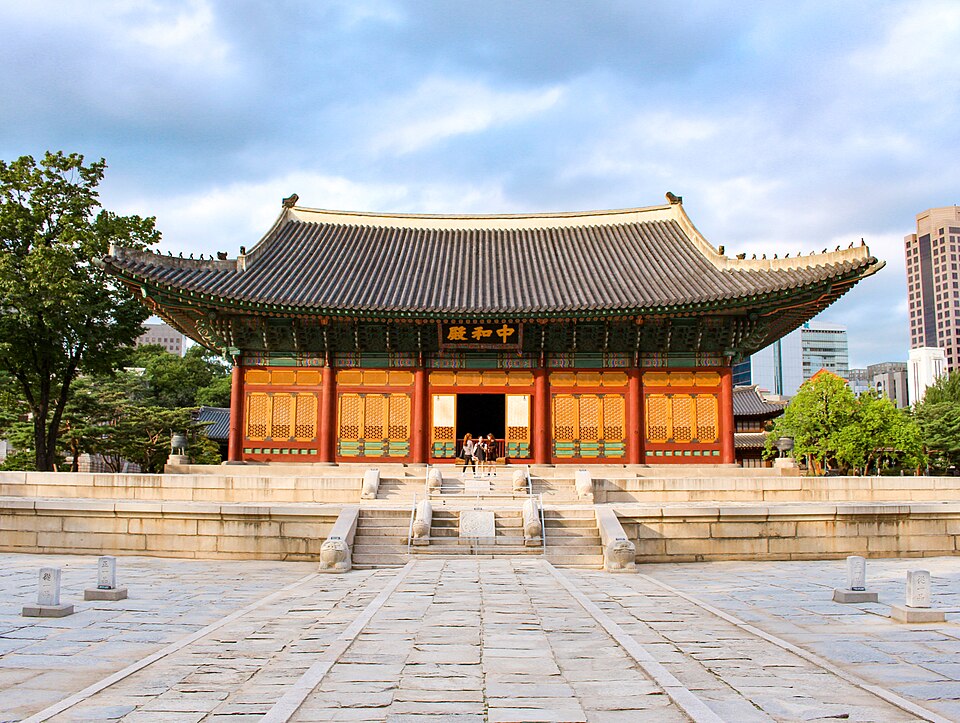
Seoul's cultural attractions span from ancient to contemporary. The city's remaining palaces offer opportunities to explore royal court architecture and gardens, while Buddhist temples throughout the city provide spaces of contemplation and artistic beauty. Traditional markets bustle with activity and commerce much as they have for generations, offering authentic glimpses of local commerce and daily rhythms. Walking through older neighborhoods reveals hanok, the traditional Korean house style with its distinctive pitched roofs and inner courtyards, some preserved as cultural sites and others still functioning as homes and small businesses.
Beyond historical sites, Seoul's appeal extends to its role as a cultural innovator. The city has become internationally recognized for its contributions to music, film, fashion, and visual arts. Contemporary art museums, performance venues, and street-level creative spaces reflect the city's current cultural moment. For those interested in natural respite, Seoul offers parks of various scales, from small neighborhood green spaces to larger areas that provide genuine separation from the urban environment. The surrounding mountains and hills, part of the broader geography of central Korea, offer hiking opportunities within reasonable distance of the city center.
International access to Seoul comes primarily through major airports serving the metropolitan area, with connections to cities across Asia, Europe, and North America. Once in the city, an extensive public transportation network including subway, bus, and train systems makes navigation straightforward and affordable. Taxis are widely available, and the street layout, while complex, becomes more comprehensible with basic orientation. For those interested in exploring the broader region, train and bus connections link Seoul to other parts of South Korea efficiently.
Seoul functions as the national seat of government and the headquarters for much of South Korea's corporate and financial activity. The Seoul Metropolitan Area emerged as the world's sixth largest metropolitan economy in 2022, behind only New York, Tokyo, Los Angeles, Paris, and London. This economic prominence shapes daily life, creating a fast-paced environment where business, education, and cultural participation interweave densely. The city has historically housed more than half of South Korea's total population, though the city proper has seen gradual population decline since 2014 as some residents have dispersed to surrounding areas. Nevertheless, the dynamics of living in a major global city continue to define the experience of Seoul's residents, from the intensity of commuting during peak hours to the energizing diversity of neighborhoods at night.
Seoul's population stands at approximately 10,349,312 residents within the city proper, making it one of the world's most densely populated major cities. The timezone is Asia/Seoul, which is 9 hours ahead of Coordinated Universal Time. The city's modest elevation of 38 meters above sea level places it on relatively flat terrain, which has facilitated urban expansion and transportation infrastructure development. Visitors should plan for hot, humid summers and cold winters with occasional snow, with spring and autumn offering the most temperate conditions.
View larger map — © OpenStreetMap contributors